Lovely Cutie Font: Playful Typography for Web Design and Digital Branding
Lovely Cutie for Valentine’s Campaigns and Seasonal Web Design
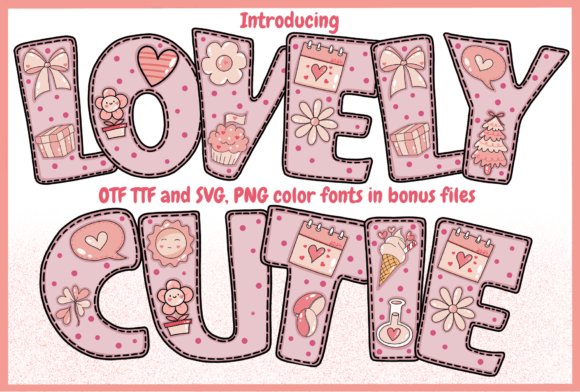
Lovely Cutie is a decorative font that brings a vibrant, playful energy to digital design. Its rounded letterforms and soft curves make it ideal for Valentine’s Day campaigns, seasonal promotions, and lighthearted brand expressions. As a web designer, I’ve found that Valentine’s font Lovely Cutie is so cute for this season works exceptionally well in hero sections, social media banners, and digital illustrations where a touch of whimsy enhances emotional engagement. Whether used for a boutique landing page or a seasonal email header, this decorative font adds visual warmth and personality.
Using Lovely Cutie in Wedding Invitations and Romantic Branding
When designing digital wedding invitations or romantic-themed brand kits, Lovely Cutie stands out as a versatile display font that balances charm with readability. Its delicate strokes and slightly bouncy baseline create a sense of movement, perfect for love stories, bridal websites, or gift shop branding. Pairing Lovely Cutie with a clean sans serif like Open Sans or Lato ensures legibility while maintaining a cohesive visual hierarchy. This font shines in logo text, calligraphy-style headers, and quote overlays on portfolio or editorial sites.
Responsive Design Tips for Mobile Wedding Invites
On mobile screens, use Lovely Cutie sparingly—best for headlines or accent text. Ensure sufficient contrast against light or dark backgrounds and avoid using it for long body paragraphs. For digital product creators, test the font weight and spacing on different devices to maintain clarity and emotional impact.
Lovely Cutie for E-commerce Banners and Online Store Branding
In online retail, Lovely Cutie can elevate product banners, limited-time offers, and boutique shop headers. As a decorative font, it pairs well with modern sans serif fonts to create a balance between playfulness and professionalism. I recommend using it for promotional pop-ups, featured product names, and branded social media graphics. Its vibrant hues and soft edges help establish a warm, approachable brand tone—ideal for feminine, artisanal, or niche product lines.
Font Pairing for Conversion-Focused E-commerce Layouts
Pair Lovely Cutie with a neutral, highly readable sans serif font like Montserrat or Roboto for product descriptions and navigation menus. This combination creates a visual rhythm that guides users through the page while keeping the focus on your offers. For online store owners, using Lovely Cutie in hero banners can increase emotional resonance and improve click-through rates during seasonal sales or gift-giving events.
Enhancing Blog Graphics and Social Media Headers with Lovely Cutie
For bloggers and content creators, Lovely Cutie is a great choice for quote graphics, Instagram stories, and Pinterest pins. Its playful touch helps your visuals stand out in a crowded feed. Use it for featured headers, course titles, or highlight reels that need a bit of personality without sacrificing clarity. When layering Lovely Cutie over images, apply a light text shadow or semi-transparent background to ensure readability on complex visuals.
Optimizing Lovely Cutie for Dark Mode and Light Backgrounds
When using Lovely Cutie on dark backgrounds, choose a slightly bolder weight or add a thin stroke to maintain contrast. On light backgrounds, keep the font size above 20px for optimal legibility. For digital product creators, ensure that the font includes webfont formats (WOFF, WOFF2) and has multilingual support if your audience spans multiple regions.
Lovely Cutie in Digital Illustration and Creative Branding Kits
Digital illustrators and brand designers will appreciate how Lovely Cutie integrates into layered compositions. Whether used in a children’s book layout, a lifestyle brand identity, or a soft aesthetic website, this font adds a handcrafted feel without overwhelming the composition. Its burst of vibrant hues works especially well in pastel color palettes, making it a top choice for feminine, wellness, or creative-focused brands.
Font Licensing and Commercial Use for Web Designers
Before using Lovely Cutie in client work or digital templates, always verify the font’s licensing terms. Most premium fonts allow for web use, but some restrict commercial distribution or require a separate webfont license. If you're embedding the font in a SaaS dashboard, landing page builder, or Shopify theme, ensure the license covers those use cases to avoid legal issues later.
Implementing Lovely Cutie in Course Sales Pages and Coaching Websites
For coaches, course creators, and service-based businesses, Lovely Cutie adds a friendly, approachable tone to landing pages and opt-in forms. Use it for subheadings, testimonials, or key benefit statements to create a warm, inviting atmosphere. I’ve seen it used effectively in digital course headers, welcome banners, and lead magnet graphics—especially in niches like self-care, creativity, and personal development.
Readability Considerations for Small Buttons and Short Phrases
Due to its decorative nature, Lovely Cutie is best reserved for short text blocks and headlines. Avoid using it in small buttons or dense navigation menus. Instead, apply it to microcopy like “Limited Spots!” or “New Arrival” to draw attention without compromising usability. For UI designers, this font works best when paired with a system font fallback in case of loading delays.
Pairing Lovely Cutie with Serif or Sans Serif Fonts for Editorial Design
To create a balanced editorial layout, pair Lovely Cutie with a classic serif like Playfair Display or a minimalist sans serif like Inter. This combination allows the decorative font to shine as a visual anchor while maintaining readability in long-form content. Use it for article titles, featured quotes, or section dividers to break up content and guide the reader’s eye through the page.
Font Styles and Webfont Availability for Responsive Design
Check that the Lovely Cutie package includes multiple weights, alternates, and ligatures for flexibility. Ensure webfont versions are available and optimized for fast loading. Many fonts come with CSS kits that simplify integration into WordPress themes, Shopify stores, or custom HTML projects. For digital product creators, having access to OpenType features like stylistic alternates and swashes can enhance the typographic richness of your designs.